
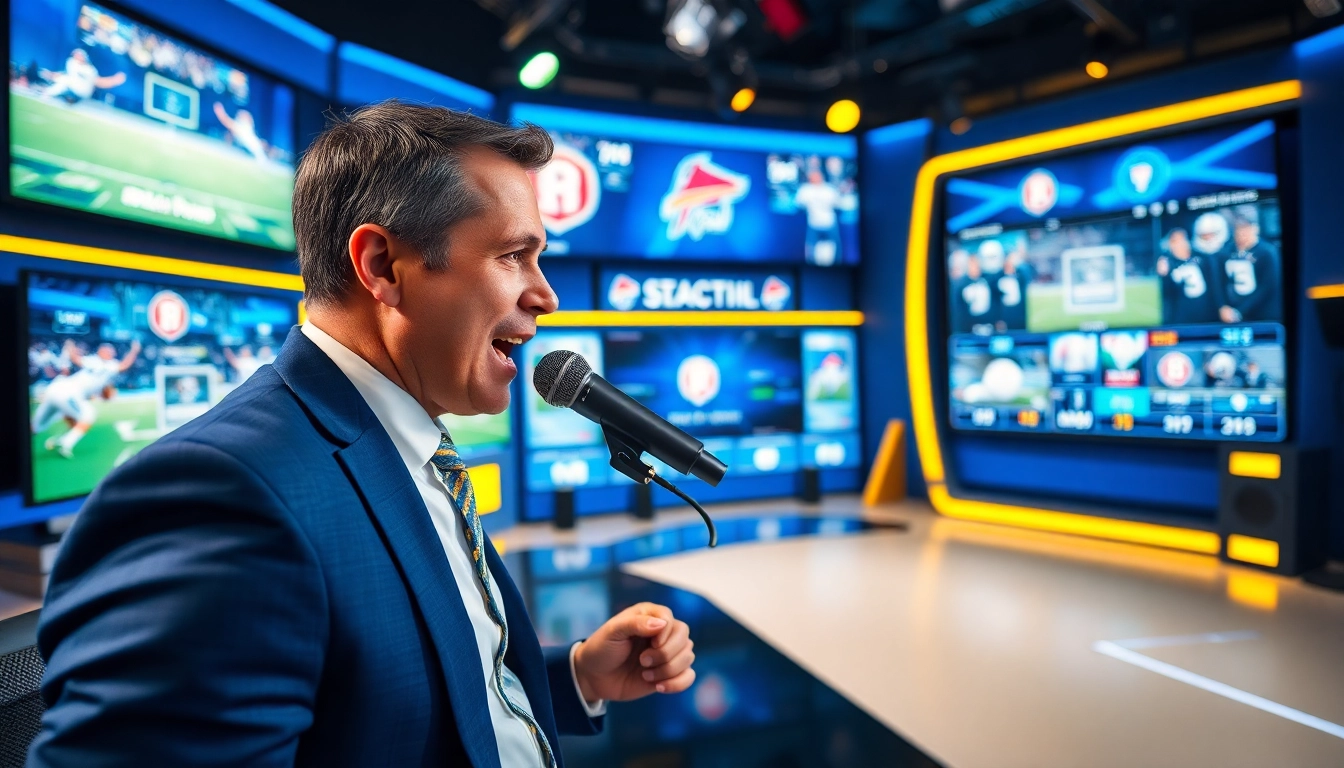
In the rapidly evolving landscape of media and entertainment, Sports Broadcasting continues to be a dynamic field. It is not just about delivering live events but ensuring that audiences remain engaged, informed, and entertained. Today's sports broadcasting incorporates advanced technology, rich storytelling, and enhanced viewer experiences, paving the way for a more interactive and engaging format.
Understanding the Sports Broadcasting Landscape
Key Components of Sports Broadcasting
Sports broadcasting encompasses several key components that contribute to its overall effectiveness. First and foremost, the production aspect involves meticulous planning, which includes securing rights for events, scheduling broadcasts, and ensuring the right technological infrastructure. Following production, the content must be effectively distributed across various platforms, including television, radio, and digital channels. This multi-platform approach allows broadcasters to engage with different audience segments effectively.
Moreover, commenting, analysis, and the overall narrative are essential for enhancing the viewer's understanding of the events. Expert commentators and analysts play significant roles in providing context, statistics, and insights that deepen the audience's engagement with the sport.
Current Trends in Sports Broadcasting
As the demand for sports continues to rise, several trends have emerged in the broadcasting sector. One notable trend is the growing impact of digital streaming platforms, which have made sports more accessible to a wider audience than traditional cable networks. Viewers can now enjoy games on multiple devices, enabling them to watch events whenever and wherever they choose.
Another significant trend is the incorporation of social media into broadcasts. Platforms like Instagram and Twitter are being utilized for real-time engagement, providing fans with live updates, scores, and highlights that complement the viewing experience. This real-time interaction fosters a sense of community among sports fans, making the experience more interactive.
Challenges Facing Sports Broadcasters
While sports broadcasting presents numerous opportunities, it also faces several challenges. One of the biggest challenges is the high cost of rights fees associated with major sporting events. Broadcasters must navigate the complexities of acquiring and maintaining these rights while ensuring profitability.
Additionally, staying ahead of audience expectations poses a constant challenge. As viewers become more tech-savvy, the demand for high-quality content and seamless streaming experiences continues to grow. This requires broadcasters to be agile and innovative in their strategies to keep audiences engaged and satisfied.
Tech Innovations in Sports Broadcasting
The Role of Streaming Technology
Streaming technology has revolutionized sports broadcasting, enabling viewers to watch live events without the traditional constraints of cable subscriptions. High-definition and 4K streaming options enhance the viewing experience, allowing fans to enjoy sports in stunning clarity. Moreover, services such as video-on-demand provide audiences with the flexibility to watch past events at their convenience.
Technologies like adaptive bitrate streaming adjust video quality based on the viewer’s internet speed, thereby minimizing disruptions and buffering. Furthermore, cloud-based broadcasting solutions are empowering smaller networks to compete in the sports broadcasting arena, democratizing access to high-quality broadcasting tools.
Augmented Reality in Sports Broadcasting
Augmented reality (AR) is another innovative technology making waves in sports broadcasting. By overlaying digital information onto live broadcasts, AR can provide viewers with enhanced context about player statistics, scores, and game analytics. For example, during a live soccer match, AR can illustrate player positions on the field and highlight their individual statistics in real time.
This immersive experience captivates viewers and fosters a deeper understanding of the game, redefining traditional broadcast methods. Broadcasters that utilize AR can create more engaging and interactive viewing experiences, keeping fans more connected to the action.
Automation and AI in Broadcasting
The utilization of artificial intelligence and automation in sports broadcasting is increasingly prevalent. Automated cameras equipped with AI can track gameplay and offer seamless coverage without the need for a human operator. This technology reduces costs while maintaining broadcast quality.
AI algorithms can analyze vast datasets to predict player performance and game outcomes, providing broadcasters with nuanced insights. Such advancements enable commentary teams to deliver more informed analysis, enhancing the viewer experience.
Enhancing Audience Engagement
Strategies for Viewer Interaction
Engaging an audience in today’s digital age requires creativity and an understanding of viewer preferences. One effective strategy is to incorporate interactive elements during broadcasts, such as live polls and questions that encourage viewers to participate actively. This interaction can be facilitated through dedicated platforms that allow fans to voice their opinions in real time.
Additionally, hosting pre- and post-game shows featuring fan discussions and expert analyses can also foster viewer engagement. By showcasing fan opinions, broadcasters create a sense of community, making fans feel valued and involved.
Utilizing Social Media for Broadcasters
Social media is a powerful tool that can bolster audience engagement. Broadcasters can use platforms such as Twitter, Instagram, and Facebook to share highlights, backstage content, and interactive stories that attract viewers. Live tweeting during games, conducting Q&A sessions with players, and using special hashtags can enhance real-time engagement.
Moreover, sharing archived content and engaging fans through user-generated content initiatives can broaden outreach and create a more robust connection with the audience. Leveraging social media effectively will drive viewers towards broadcasts and foster a loyal fan base.
Measuring Engagement Metrics
Understanding audience engagement hinges on accurately measuring various metrics. These may include viewership numbers, social media interactions, and audience feedback. Advanced analytics tools can dissect viewer behavior during broadcasts, identifying which segments engage viewers most effectively.
Moreover, employing surveys to gather direct feedback from viewers after events can help broadcasters fine-tune their approaches, ensuring that audience needs are met. By regularly analyzing engagement metrics, broadcasters can adapt and optimize content strategies for improved outcomes.
Content Creation Strategies
Crafting Compelling Sports Curation
Creating compelling content is at the heart of effective sports broadcasting. Curating highlights that encapsulate the excitement of live events is crucial in retaining viewership. Broadcasters should focus on producing creative montages that capture not just the key moments but also the emotions surrounding them.
Incorporating diverse content types—such as interviews with athletes, behind-the-scenes footage, and analysis segments—enriches the overall offering, providing viewers with a holistic experience. This approach caters to varying viewer preferences, ensuring there is something for everyone.
Importance of Storytelling in Broadcasting
Storytelling plays a pivotal role in keeping viewers engaged. Narratives that highlight players' journeys, struggles, and triumphs create emotional connections that foster loyalty among fans. Broadcasters should aim to integrate personal stories into their coverage, sharing insights into athletes' lives and the broader cultural significance of sporting events.
Effective storytelling can also help contextualize events for viewers, allowing them to see the 'big picture' beyond just gameplay. This deeper understanding enriches the viewer experience and keeps audiences tuned in for future broadcasts.
Best Practices for Sports Content Production
The production process is critical in ensuring high-quality sports content. Best practices include investing in skilled production teams who understand the nuances of live broadcasting. Furthermore, having a clear plan for visual storytelling, including camera angles, lighting, and sound quality, enhances the final product.
Regular training and workshops for production staff can keep teams updated on the latest technologies and storytelling techniques. Finally, building a collaborative environment where feedback is encouraged can lead to continuous improvement and innovation in content creation.
Future of Sports Broadcasting
Predictions for Upcoming Trends
The future of sports broadcasting is poised for exciting developments. One significant prediction is the continued rise of direct-to-consumer services that allow fans to bypass traditional networks. This shift could lead to more personalized content offerings tailored to individual viewer preferences.
Moreover, as technology continues to develop, the incorporation of 5G networks is expected to enhance streaming capabilities, enabling ultra-high-definition broadcasts and more interactive experiences for viewers. Such advancements can further blur the line between physical and digital experiences.
The Impact of AI on Sports Broadcasting
Artificial intelligence will continue to shape sports broadcasting, offering sophisticated data analysis capabilities that enhance storytelling and viewer engagement. AI-driven insights can significantly improve the pre- and post-game analysis, enabling broadcasters to deliver deeper context on matchups and player performances.
Additionally, AI may assist in automated content creation, allowing broadcasters to generate highlight reels and analyses quickly. This adaptability will be crucial in keeping up with the ever-increasing demand for content.
Preparing for Evolving Viewer Preferences
To future-proof their strategies, broadcasters must stay attuned to evolving viewer preferences. This entails investing in audience research to understand demographic shifts and changing consumption habits. Personalization will be key in appealing to diverse audiences and ensuring relevance in a crowded marketplace.
Finally, flexibility in content delivery will be essential. Broadcasters should experiment with new formats and platforms, learning from viewer data to refine their offerings continually. By staying ahead of trends and being responsive to audience feedback, the future of sports broadcasting can be both prosperous and progressive.
Frequently Asked Questions
What is sports broadcasting?
Sports broadcasting is the distribution of sports events through television, radio, or digital platforms. It includes live event coverage, analysis, and related content.
How has streaming changed sports broadcasting?
Streaming has made sports more accessible, allowing viewers to watch live events on multiple devices and platforms. It has reduced reliance on traditional cable subscriptions.
What role does social media play in sports broadcasting?
Social media enhances viewer engagement by providing real-time updates, interactive content, and behind-the-scenes insights, creating a more immersive experience.
Why is storytelling important in sports broadcasting?
Storytelling personalizes sports content, emotionally connecting viewers with athletes and events, thereby fostering fan loyalty and enhancing viewing experiences.
What are some future trends in sports broadcasting?
Future trends include direct-to-consumer models, increased use of AI and automation, and the integration of 5G technology for enhanced streaming and interaction.